

 Domestic Fuel welcomes our newest blogger, John Davis.
John is a 20 years+ veteran of traditional news and is getting his first taste of this “new media.” We’ve known John since Chuck hired him to work at the Brownfield Network in January, 2000 after he served an 11 year stint in the U.S. Air Force as a broadcast journalist. He’s getting out on his own now after working for Learfield Communications for almost six years as a network broadcaster.
John lives in Jefferson City, Missouri with his wife, two sons, two dogs, a cat, a mouse, and a fish! You can read more about him and his thoughts at his own website John C. Davis Online.
Welcome aboard, John!

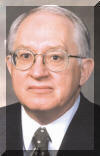 The Secretary of the Arkansas Agriculture Department wants his state to focus on biodiesel, not ethanol.
  2006 was an incredible year of growth of the ethanol industry and 2007 promises to be just as big. As production grows, education and marketing of the farm-based fuel becomes even more important and that is why the Ethanol Promotion and Information Council has a busy year already lined up. In this “Fill Up Feel Good” podcast, EPIC Senior Director of Marketing Reece Nanfito talks about some of the programs, events and promotions in the plans.
 The opening of Iowa’s first biodiesel plant is set for this April in Newton, and now a second one will be built in Huxley. According to the Des Moines Register, a $15.4 million dollar facility, will be built by Ames-based
  New vehicles capable of running on up to 85 percent ethanol are the stars of the North American International Auto Show in Detroit this year, according to the
 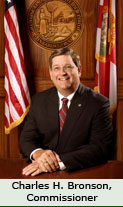 Florida’s Commissioner of Agriculture is a man on a mission – to make Florida the nation’s leader in biofuels production.
  Agribusiness giant
  The
The