

 Presidential candidates Sens. Hillary Clinton (D-New York) and John McCain (R-Arizona) made separate stops at two Renewable Energy Group biodiesel facilities during their campaigns in Iowa today.
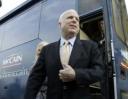 Clinton toured the 30-million gallon REG network biodiesel production facility in Newton, while McCain attended the ribbon-cutting of the new REG headquarters in Ames. The fact that two national candidates are pushing biodiesel is a welcome sight to the National Biodiesel Board:
“These two visits in the same day exemplify the bipartisan recognition of biodiesel’s many benefits, ranging from economic development to energy security to climate change,” said Darryl Brinkmann, who serves as Chairman of the National Biodiesel Board (NBB) and spoke at the event. “The NBB applauds efforts to increase public awareness of the many benefits associated with expanded biodiesel production and use.”
Keep in mind, though, that neither one has been a great advocate of biofuels when it really counted: during their votes in the U.S. Senate. Back on June 5th, I told you about McCain’s flip-flopping ways when it comes to alternative energy with this from a UPI article:
During the 2000 presidential campaign, Sen. John McCain, R-Ariz., skipped the Iowa caucuses, perhaps sensing that, among other things, his opposition to ethanol subsidies would not go over well in a corn-growing state like Iowa.
Seven years later, he is crisscrossing the country again to win support for his bid to become the Republican presidential nominee, and this time his route includes stops in Iowa.
The article points out that in a speech in Virginia in April McCain said that while he would encourage the growth of ethanol infrastructure, he still won’t sign off on government subsidies.
Clinton is a bit of a fair-weathered friend of biofuels as well, as I pointed out in a July 24th post from this Newsday article:
At one time, Clinton stood squarely with ethanol’s opponents, and voted several times against ethanol bills.
When the Senate last took up ethanol-related legislation in 2005, the former first lady unsuccessfully opposed requiring refiners to boost their use of renewable fuels and the 51-cent tax credit.
Previously, she had warned that requiring added ethanol would bring higher gasoline prices and environmental risks.
“We are providing a single industry with a guaranteed market for its products — subsidies on top of subsidies on top of subsidies and, on top of that, protection from liability,” she said during an April 2002 Senate energy bill debate. “What a sweetheart deal.”
So let’s see where both these candidates REALLY stand when the Iowa Caucuses are over.
 DuPont and BP are working to bring a next generation biofuel to market on a commercial scale and officials are optimistic that it might get there before cellulosic ethanol.
 In an
In an  The 20th annual
  Massachusetts lawmakers will consider a proposal designed to increase that state’s use of biofuels. State Senate President Therese Murray and House Speaker Sal DiMasi, working with Governor Deval Patrick, filed a bill today that sets usage standards and creates a state Biofuels Task Force, responsible for addressing issues, such as energy crop incentives, tax credits for advanced biofuels research and development, fuel performance standards, and requirements to produce flex-fuel vehicles.
 What started as a project to brew biodiesel in some old pots from the school cafeteria has turned into a 100,000-gallon-a-year production line that saves the school an estimated $125,000 a year in fuel costs.
 A cellulosic ethanol company funded by California-based Khosla Ventures is holding a groundbreaking this week for its first planned facility in Georgia.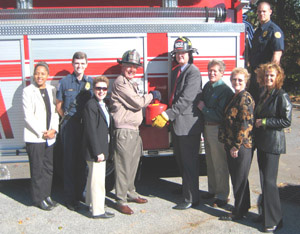
 Jessica Kelly, maker of the documentary “Revolution Green: A True Story of Biodiesel in America,” returned to her alma mater, the University of Colorado, for a screening this past weekend of her movie.
 A decade ago, King chose to solve a grease overflow problem at Maui’s landfill. He now has turned that grease waste into biodiesel fuel and built 10 biodiesel plants across the country.
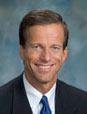 Senator John Thune (R-SD) and Senator Charles Grassley (R-IA) led a bi-partisan group of Senators in writing a letter to the President last week urging him to direct the Environmental Protection Agency to approve higher blends of ethanol in commercial gasoline. The current maximum blend for non-flex fuel vehicles is 10% ethanol.
 Grassley said, “With consideration of a new farm bill as well as a new energy bill well underway, ethanol and renewable fuels are at the forefront of the discussion. And, while we’ve seen a tremendous jump in knowledge, promotion and usage of renewable fuels, there remain very real barriers. In the absence of widespread E85 use at this time, it’s important to ensure a market for today’s ethanol production.”