

 A car that is part Prius Hybrid, part algae-biodiesel burner, has completed a 3,750-mile trip from San Francisco to New York City… the first cross-country trip running on a blend of algae-based gasoline in an unmodified engine.
This press release from Sapphire Energy, the company that provided the green fuel, says the trip by the Alageus (Algae+Prius, get it?) took 10 days and could mark the start of a green age:
The Algaeus represents a tangible peek into the very near future. Sapphire Energy provided the fuel, containing a mixture of hydrocarbons refined directly from algae-based Green Crude and extracted through Sapphire’s proprietary process. The vehicle is based on a 2008 Toyota Prius that has been given an added battery pack, a plug and an advanced energy management system. The Algaeus got an average of 147 mpg city in PHEV (plug in electric hybrid) mode and 52mpg highway in hybrid mode on the cross country tour.
“America has the opportunity to usher in a new, prosperous Green Age, by moving from ‘black’ to ‘green’ crude, while bettering the environment and solidifying energy security,” describes Jason Pyle, Sapphire Energy CEO. “We have all that we need at home to produce fuels from algae at a commercial scale in just a few years. The Algaeus is an example of a better solution that is domestically produced and climate friendly.”
 The trip was sponsored by the Veggie Van Organization, the group founded by movie producer and biodiesel advocate Josh Tickell that is dedicated to moving the country away from petroleum. The trip was also to celebrate the nationwide opening of Tickell’s film FUEL, which aims to inspire green energy solution thinking, such as the Algaeus.
Tickell split time behind the wheel with FUEL Producer, Rebecca Harrell.
“It flew up the mountain passes in Utah and Wyoming, was fast on the straight-aways, and zipped around cities with gusto,” said Tickell. The duo recorded no loss in engine power, speed or acceleration with the small engine easily producing up to 20 kW of power.
The Algaeus is now headed on a college educational tour with an interactive classroom retrofit “Green Energy Bus,” the Veggie Van Organization and the FUEL team.
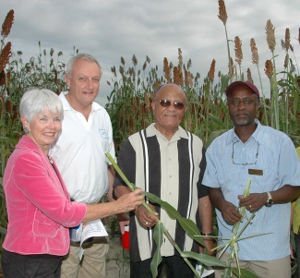 Since May, eight sweet sorghum varieties have been growing on a Wicomico County farm for evaluation as potential stock for ethanol production on the Delmarva peninsula. Dr. Samuel Geleta of Salisbury Univerisity’s Biological Sciences Department says about half of the varieties have already been harvested, with the rest to be finished by mid-October. Some of the plants grew to a height of 12 feet. He said sweet sorghum is attractive because it is drought resistant, fast-growing and has low nutrient and fertilization requirements. “Sweet sorghum can be grown on marginal land with less fertilizer and water as compared to corn,” Geleta said. “Since sweet sorghum juice contains simple sugar, producing ethanol from it simply requires extracting the juice and fermenting.”
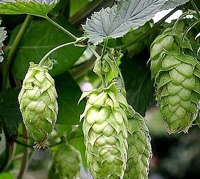 Any good beer drinker knows that hops are primarily used to make beer and the vast majority of hops grown world wide are used by breweries. The top hops producing country is Germany, followed by the United States. Hops are used extensively in brewing today mainly because they balance the sweetness of the malt with bitterness, contributing a variety of desirable flavors and aromas, but also because they have an antibiotic effect that favors the activity of brewer’s yeast over less desirable microorganisms.
  “If EPA insists on counting the angels on the head of a pin, it needs to do so on every pin and that includes the indirect impacts of petroleum production and use,” said Renewable Fuels Association Bob Dinneen. “All energy choices come with trade-offs. By focusing solely on the impacts of biofuels, EPA has created shell game only petroleum can win. EPA must revisit its proposed rule, make its methodologies and calculations transparent, and redraft a program that is fair and workable for all parties. EPA’s current version fails on all counts.”
 BP expects biofuels to displace 25 percent of fuel in the U.S. in the next two decades, the head of BP’s alternative energy unit said.
  Members of the
  According to a summary on the
  The lowly alfalfa crop could play a role in the future of cellulosic ethanol.
  Pioneer Director of Alfalfa Research Dave Miller says they believe cellulosic ethanol will need multiple feedstocks and alfalfa is a good fit for a number of reasons. “It’s great for crop rotation, its environmental benefits in terms of lack of soil erosion because it’s deep rooted and a perennial are well known, and it fixes nitrogen.”
 Clear your calendar for a
  Algae is all the rage as the next great feedstock for biodiesel… although the longtime champion for the green fuel, soybeans, might not be ready to give up its crown to the green pond scum.
 One the one hand, you have guys like Riggs Eckelberry, the CEO of
  Leonard Kosar, CEO of