

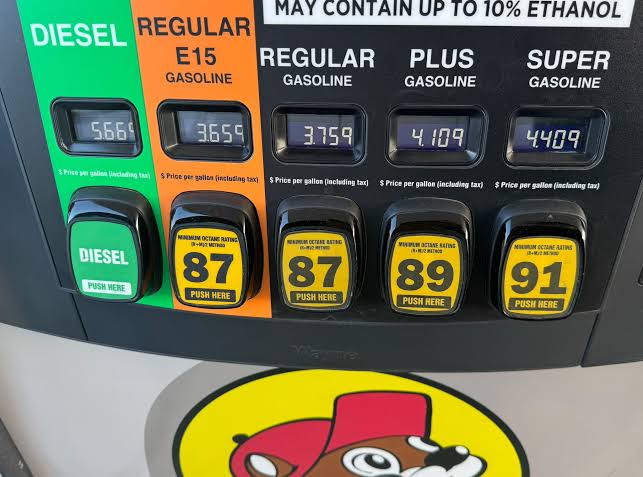
Buc-ee’s gas pump in Arizona Labor Day weekend
The Hoekstra report shows that E15’s economic benefit during the Iran conflict has been even greater, offering a lower cost of 57 cents per gallon. The study looks at three economically distinct sources of ethanol value: The value of replacing gasoline volume with lower-cost ethanol, the octane value of ethanol, and the value of Renewable Fuel Standard compliance credits called RINs. However, even when one leaves out the impact of RFS blending obligations and RINs, E10 still offered a 17.5 cents per gallon cost advantage compared to regular gasoline, showing that ethanol has substantial economic value even before counting the RIN credit value. Hoekstra also estimates that for the full year through early August, the non-RIN portion equated to overall savings of $18.7 billion.
RFA President and CEO Geoff Cooper says American-made ethanol is extending domestic fuel supplies by more than 1 million barrels per day and significantly lowering prices at the pump for consumers. “This report should serve as a compelling reminder to policymakers that the fastest way to lower fuel prices is to blend more—not less—ethanol into our gasoline,” said Cooper. “The findings underscore the urgent need for Congress to pass legislation allowing nationwide, year-round E15 as quickly as possible.”