

 It’s International Grüne Woche (Green Week) in Berlin, the annual global exhibition for the food industry, agriculture and horticulture. And while food has always been the focus of this event, fuel is stealing some of the thunder this year.
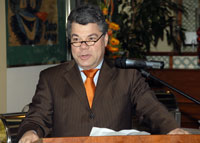
Messe Berlin is the company that organizes Green Week and CEO Raimund Hosch welcomed agricultural journalists at the kickoff for the show this week.
International journalist Chuck Zimmerman (my husband) is covering the event and interviewed Hosch, who told him that renewable energy is a growing segment of the show.
Listen to Hosch’s comments here.  Hosch (1 min MP3)
EU Commissioner of Agriculture Mariann Fischer Boel also talked about biofuels and renewable energy when she spoke at the event. You can read more about that and listen to her comments on agwired.com.
 Following up on Cindy’s post about the
 Meetings begin this week in Illinois to interest investors in the
 The
The