

 Congressman Bruce Braley (D-Iowa) this week introduced legislation that would require all gasoline sold in the U.S. to carry country-of-origin labeling (COOL).
“I am introducing legislation in the House that would require a label that clearly states the nation of origin for the fuel you’re pumping,” Braley said in a Huffington Post op-ed yesterday, penned with retired General Wesley Clark of Growth Energy. “The legislation, dubbed “COOL for Fuels,” will require the Department of Energy to conduct a study and implement its recommendations to ensure American consumers have the ability to decide at the gas pump whether they want to purchase domestic fuel products or gas produced by potentially hostile oil-producing nations.”
Clark urged the public to sign on as a citizen co-sponsor of Congressman Braley’s country-of-origin labeling legislation. “Americans need to know what this addiction is costing us in real terms, and country-of-origin labeling is a commonsense way to get that message across,” said Clark.
Growth Energy president Jim Nussle says the law would create more market transparency for American consumers of foreign petroleum. “Congressman Braley’s bill would let U.S. drivers know where they are sending their dollars when they fill up at the pump. American motorists should know where their money is going – whether it is staying here or being sent overseas to the coffers of foreign nations,” said Nussle.
Growth Energy first introduced the concept of country of origin labeling for fuel during a press conference at the 2009 Farm Progress Show.
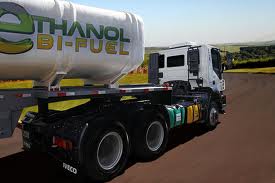

 The Rural Energy for America Program (REAP) which provides grants and loan guarantees to agricultural producers and rural small businesses to help purchase renewable energy systems, including ethanol blender pumps, was cut from the current $75 million to just $1.3 million, but that was at least a slight victory since the program was slated for elimination. Rep. Marcy Kaptur (D-OH) sponsored the amendment which salvaged the small amount that will allow USDA to continue to operate the program for the time being. Agriculture Secretary Tom


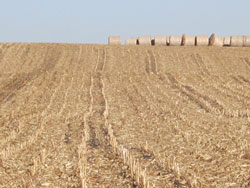 Iowa State University has completed analysis on data from the third year of an ongoing study for
 The
The