 The Renewable Fuels Association (RFA), Ohio Clean Cities Coalition, and the Earth Day Coalition’s Clean Transport Program will be co-hosting a free Ethanol Safety Seminar in Cleveland and Painesville, OH on Monday, August 22nd.
“Ohio produces 424 million gallons of ethanol annually between the six biorefineries in the state,” said Robert White, RFA Director of Market Development. “As the product is increasing in use and transportation throughout the state, first responders need to be familiar with the fuel and how to effectively respond to an ethanol related incident. This program details the response information that is essential to these emergency situations. We are happy to provide this type of information to those that dedicate their lives to protect their communities.”
To accommodate schedules and reach as many participants as possible, the seminar will feature a morning session from 9:00am to 2:00pm in Cleveland (Cuyahoga Heights) at the Northeast Ohio Regional Sewer District and an evening session from 5:30pm to 10:00pm in Painesville at the Quail Hollow Resort. Lunch and dinner will be provided, sponsored by Norfolk Southern Corp.
Attendees will receive in depth information on proper training techniques that first responders and hazmat personnel need to effectively respond to an ethanol-related emergency. While primarily targeting first responders, hazmat teams, safety managers, and local emergency planning committees, it is also open to the general public.

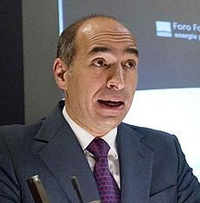 “Abengoa has been developing this technology for 10 years, and the project itself has been in the development stages for over 5 years,” said Manuel Sánchez, CEO of Abengoa. “In preparation for construction of the Hugoton project, the company has developed and perfected its proprietary technologies and produced cellulosic ethanol for thousands of hours from laboratory scale, to a biomass pilot plant facility in York, Nebraska, and ultimately from a demonstration scale facility in Salamanca, Spain. As a result, we are very pleased to finally achieve this financing milestone, and we thank the Department of Energy’s Loan Programs Office for their offer of a conditional commitment, that if realized will allow us to construct one of the first commercial scale biomass conversion plants in the world.”

 As part of their ongoing ecological restoration work, The Earth Partners will work with farmers and conservation property landowners to grow and sustainably harvest biomass from land with invasive vegetation or land where restorative plant species are grown. POET will then evaluate the best use of the biomass to generate heat, power or for liquid fuel production.
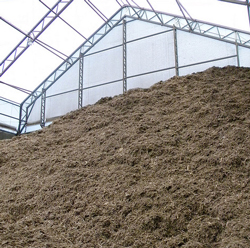 The initial project will deliver Conservation Biomass to POET Biorefining – Chancellor, a 100 million-gallon-per-year grain ethanol plant in Chancellor, S.D. that burns wood waste and landfill gas in a solid fuel boiler to generate all of its process steam. Burning biomass at the plant to generate power will allow the partnership to test the commercial viability of the Conservation Biomass business model at scale. POET and The Earth Partners will continue to research the potential for utilizing Conservation Biomass sources like prairie grasses for cellulosic ethanol production.

 According to GM, the “Cadillac Converj Concept, a dramatic luxury coupe with extended-range electric vehicle technology, is moving forward as a production car that will be called the Cadillac ELR.”
 The guarantee will support construction of the
 The 11-year-old grandson of a corn farmer and ethanol plant investor got to ask President Obama a question during a town hall meeting at the
 But the key going forward is going to be, can we create biofuels out of switchgrass and wood chips and other materials that right now are considered waste materials? And part of the reason that’s important is because, as I think most farmers here know, particularly if you’re in livestock farming, right now the costs of feed keep on going up and the costs of food as a consequence are also going up. Only about 4 percent of that is accounted for by corn being diverted into ethanol, but as you see more and more demand placed on our food supplies around the world — as folks in China and folks in India start wanting to eat more meat and commodity prices start going up, it’s going to be important for us to figure out how can we make biofuels out of things that don’t involve our food chain.
 The
 RFA Director of Market Development Robert White and his father Jere White, Executive Director of the
 Once upon a time, an oil company used the slogan “Put a Tiger in Your Tank.” Someday, it could be “Put a Gator in Your Tank.”